Why Should You See a Gynaecologist?+
You should see a gynecologist if you experience symptoms like unusually heavy bleeding from the uterus or pelvic, vulva, or vaginal pain. If there are no symptoms, you should still have a screening visit with a gynecologist once a year. Among the common disorders that gynecologists treat are menstruation, menopause, fertility, and pregnancy.
What does a gynaecologist treat?+
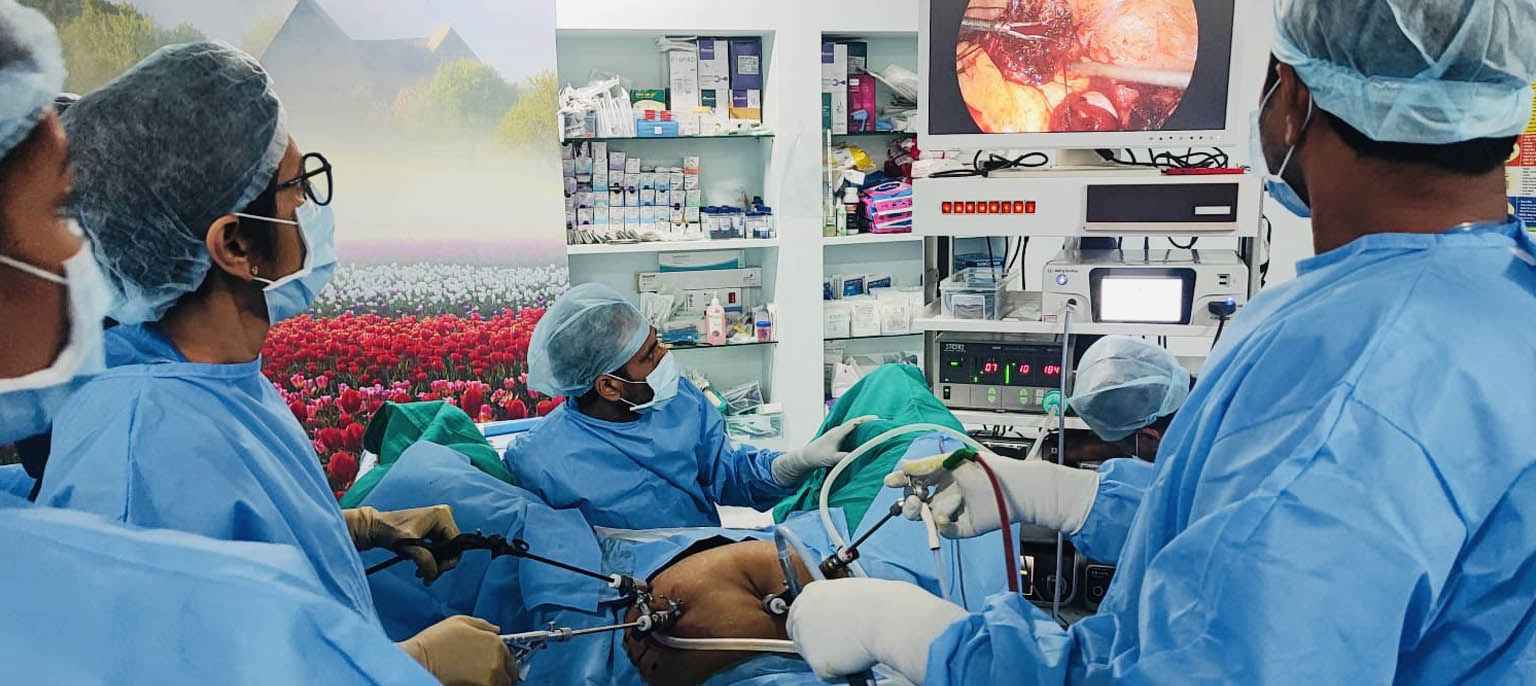
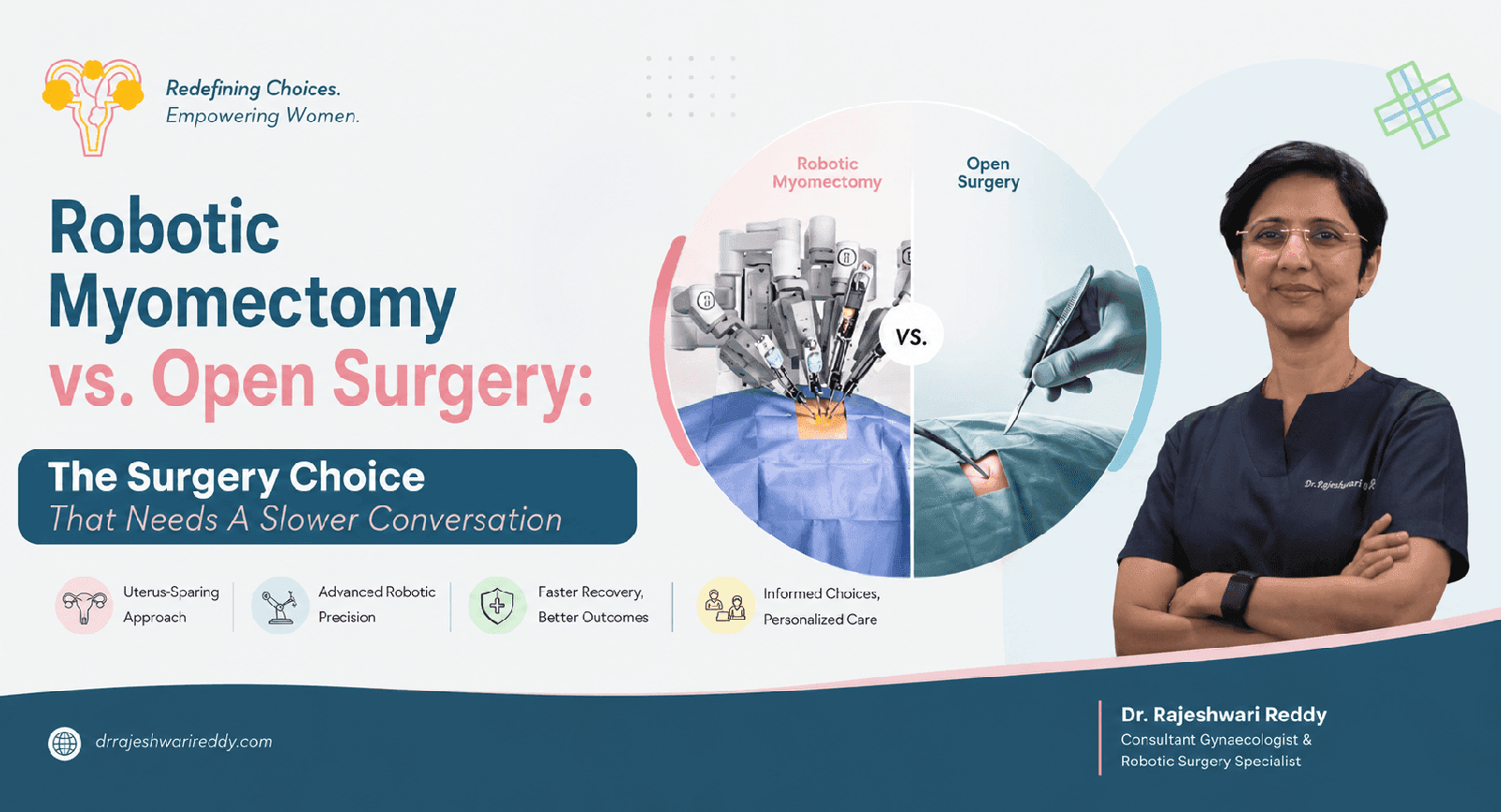
A gynaecologist treats conditions related to women’s reproductive health, including menstrual disorders, PCOS, endometriosis, fibroids, infertility, pregnancy and obstetric care, menopause, and gynaecological infections. Dr. T. Rajeshwari Reddy is a Senior Consultant Obstetrician, Gynaecologist, Laparoscopic & Robotic Surgeon at Continental Hospitals, Hyderabad.
What should you consider when choosing a gynaecologist?+
Consider the doctor’s qualifications and registration, clinical experience, the range of services offered, and how comfortable you feel discussing your health. You can verify any registered medical practitioner’s credentials on the National Medical Register at nmc.org.in.
What are the most common causes of infertility in women, and how can they be addressed?+
Common causes of female infertility include ovulation disorders, fallopian tube blockages, uterine abnormalities, and age-related decline in egg quality. Treatment options may include fertility medications, assisted reproductive technologies (such as in vitro fertilization), surgical interventions, or lifestyle modifications.
What are the most effective methods of contraception available?+
Dr. T. Rajeshwari Reddy offers a range of contraceptive options tailored to each patient’s lifestyle, preferences, and medical history. These may include birth control pills, intrauterine devices (IUDs), contraceptive implants, patches, injections, and barrier methods like condoms.
What is endometriosis, and how is it diagnosed and managed?+
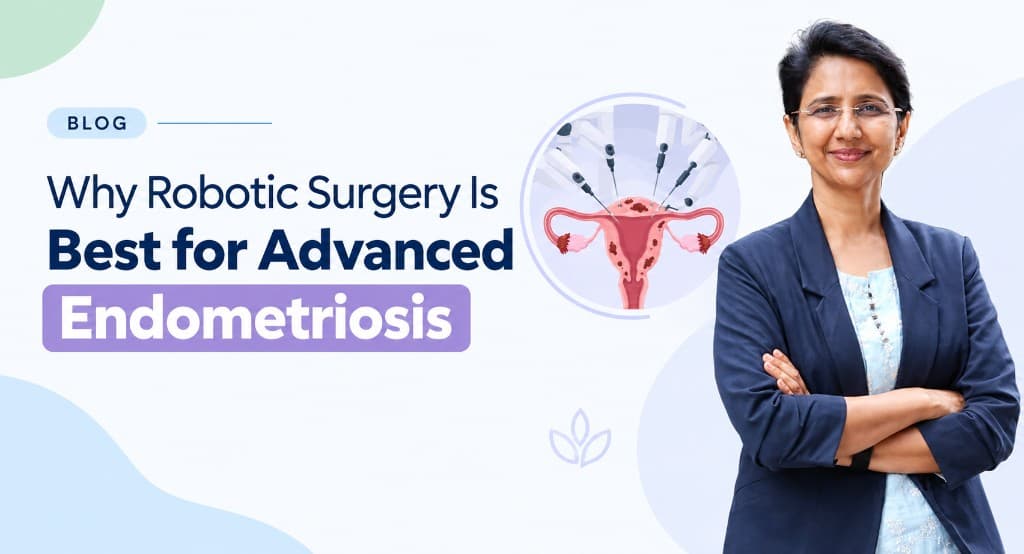
Endometriosis is a condition in which the tissue that normally lines the inside of the uterus (endometrium) grows outside the uterus, causing pain, inflammation, and potentially fertility issues. Diagnosis may involve pelvic exams, imaging tests, or laparoscopic surgery. Management options may include pain medications, hormonal therapy, or surgical interventions to remove endometrial tissue.
Can gynecological conditions affect fertility?+
Yes, certain gynecological conditions such as polycystic ovary syndrome (PCOS), endometriosis, fibroids, and pelvic inflammatory disease (PID) can affect fertility by disrupting ovulation, interfering with implantation, or causing structural abnormalities in the reproductive organs. Early diagnosis and treatment can help optimize fertility outcomes.
What should I expect during a pelvic examination?+
A pelvic examination typically includes a visual inspection of the external genitalia, a speculum examination to visualize the cervix and vagina, and a manual examination to assess the internal reproductive organs. Dr. T. Rajeshwari Reddy ensures that patients feel comfortable and informed throughout the process.
What are the most common gynecological cancers, and how can they be detected early?+
Common gynecological cancers include cervical, ovarian, uterine, vaginal, and vulvar cancers. Early detection is key to successful treatment, which may involve regular screenings such as Pap smears, HPV testing, pelvic exams, and imaging studies.
How can I maintain optimal gynecological health throughout different stages of life?+
Dr. T. Rajeshwari Reddy recommends adopting a healthy lifestyle that includes regular exercise, a balanced diet rich in fruits and vegetables, maintaining a healthy weight, practicing safe sex, attending regular gynecological check-ups, and avoiding smoking and excessive alcohol consumption. These measures can help prevent gynecological issues and promote overall well-being.